
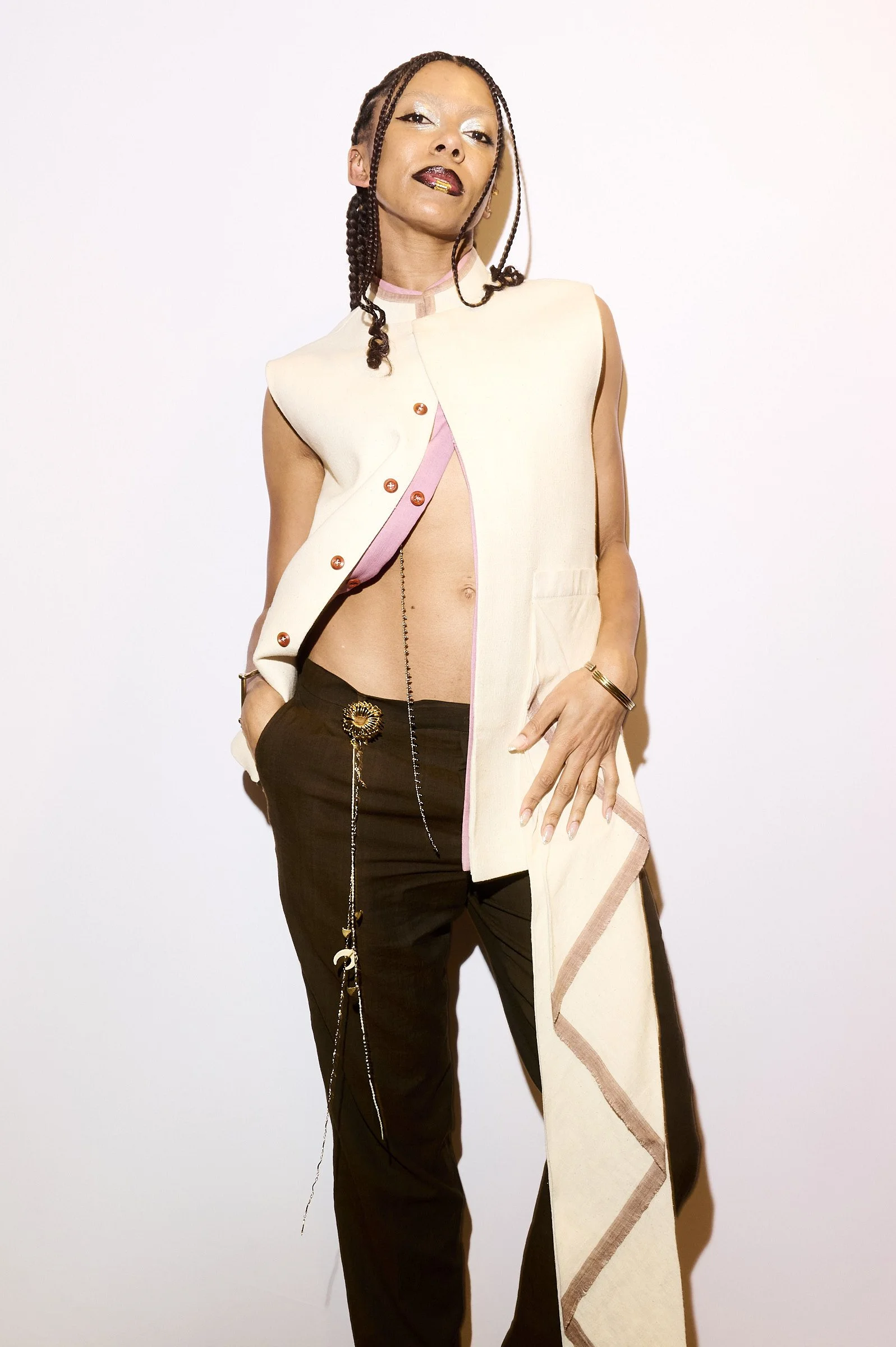
NATURAL NEHRU VEST
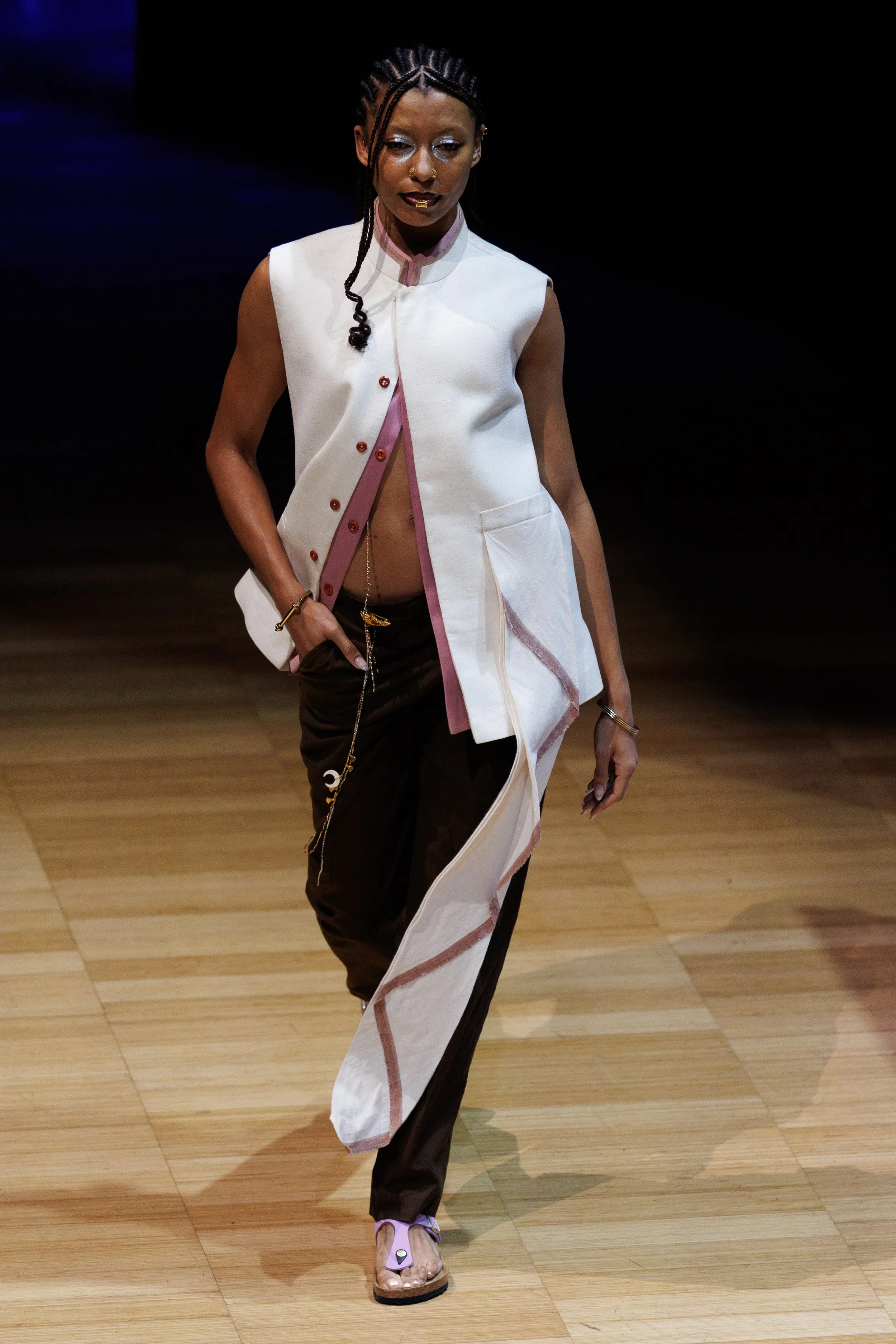
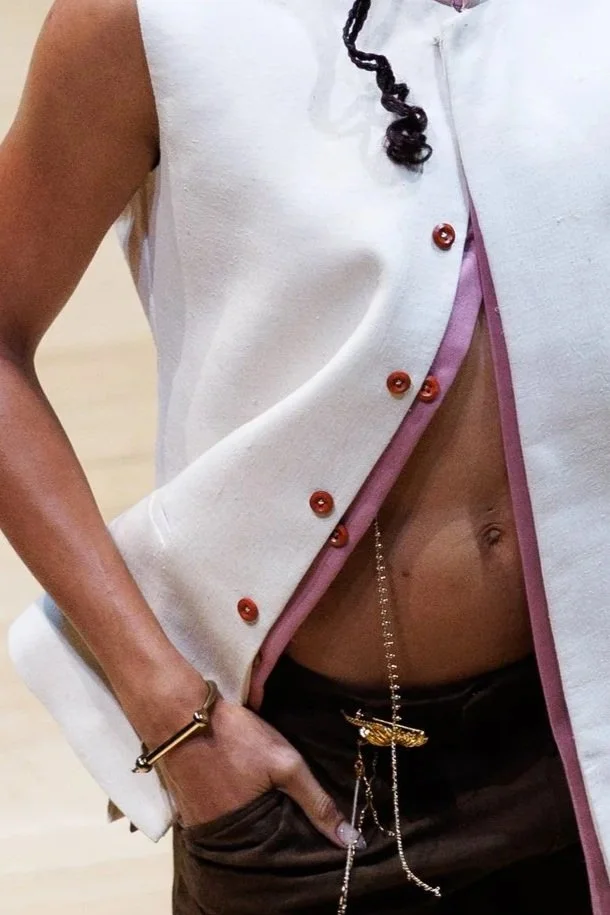
Made from 100% handspun and handwoven Khadi cotton, finished with a camel selvedge and a pocket drape that echoes the drapes of India. Alongwith, wooden button closure.
Dry clean only
Size Medium - $289.00 AUD
Photographed by Gemma Thomas
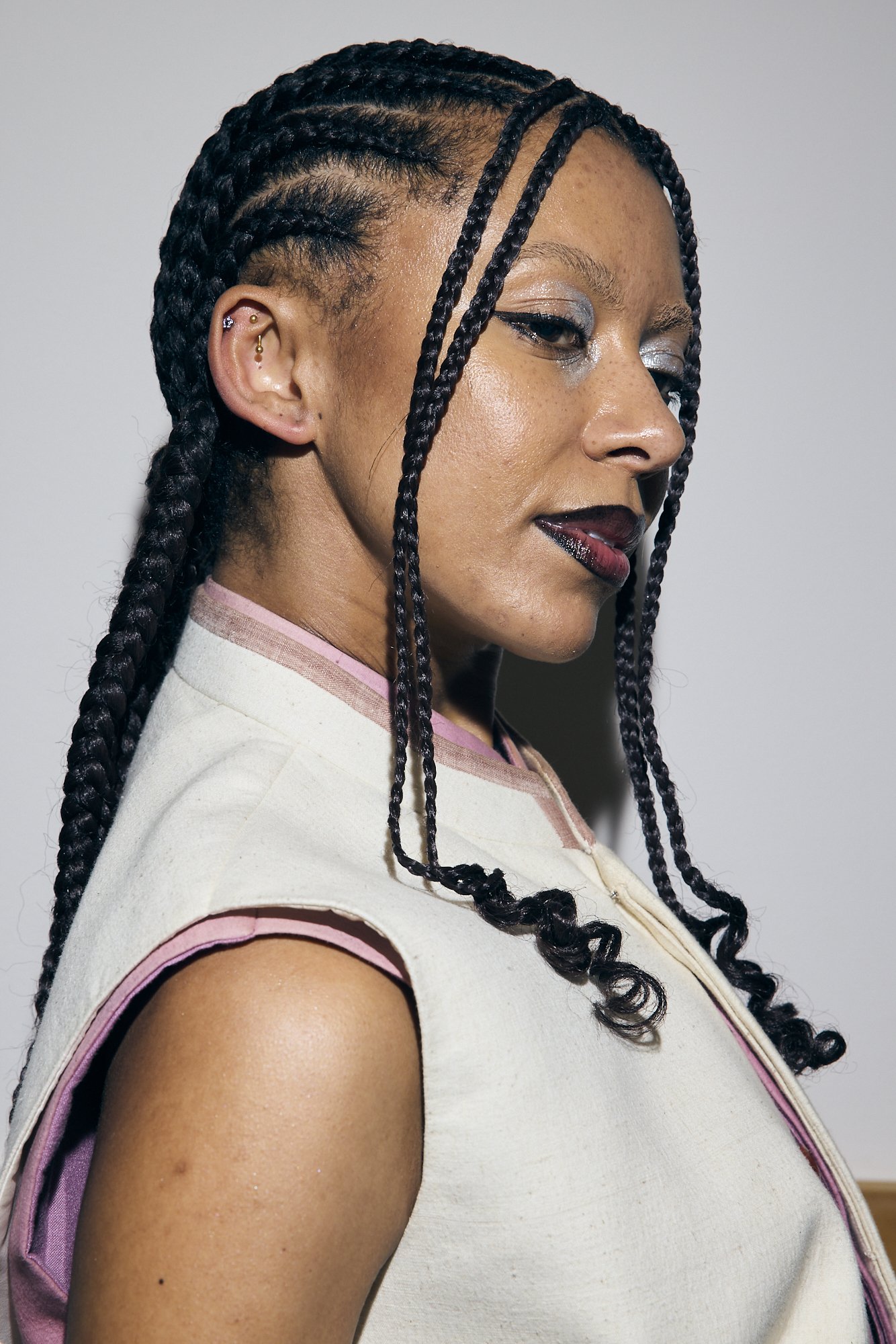
Our Natural Nehru Vest is inspired by the Nehru Collar, also known as the band or mandarin collar, traces its roots to traditional Indian garments such as the achkan and sherwani, worn by nobility during the Mughal era. These garments featured a structured, stand-up collar that symbolised formality and refinement.
During British colonial rule, Indian tailoring began to absorb European influences, particularly sharp cuts, structured silhouettes, and military-style uniforms with high collars. The Nehru collar evolved at this intersection, blending Indian tradition with British tailoring discipline. The result was a cleaner, more fitted silhouette that felt both modern and authoritative.
The style gained global recognition in the mid-20th century when Jawaharlal Nehru adopted it as his signature look, turning it into a symbol of Indian identity, independence, and understated elegance, rooted in heritage, yet shaped by colonial-era tailoring influences.
Photographed by Gemma Thomas
Sourced from fashionrevolution.org
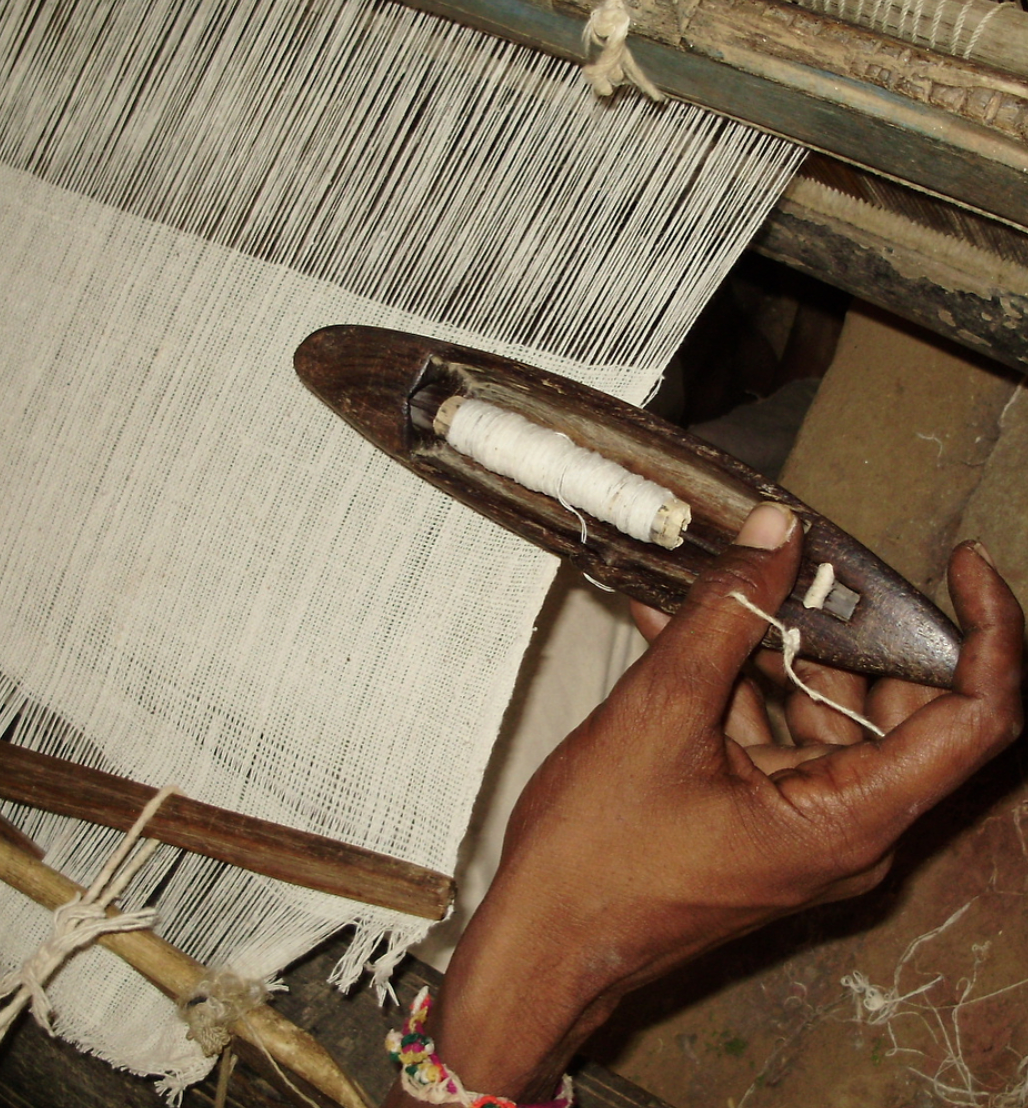
Khadi is a handspun and handwoven fabric that represents the resilience of an Indian textile legacy. Mahatma Gandhi famously championed Khadi as the "fabric of Indian independence," urging citizens to boycott factory-made British goods and adopt "homespun cloth" as a profound act of self-reliance and cultural defiance.
This fabric is celebrated for its unique texture, breathability, and "living" quality, with each piece bearing the individual touch of the artisan, roughly 70 percent of whom are women. Today, Khadi bridges India's proud industrial past with modern sustainable design, serving as a social equalizer that values character over appearance and ethical craftsmanship over mass production.
By promoting the use of the spinning wheel (charkha), Gandhi sought to revitalize rural employment and restore autonomy to village communities that had been decimated by the monopolistic control and "dictated prices" of the colonial era. Beyond its political weight, Khadi embodies a philosophy of slow, mindful making, where the entire process—from picking cotton by hand to spinning and weaving—serves as a return to essentials and a distinct "art de vivre".
Photographed by Gemma Thomas
In handloom weaving, contrast selvedge is the self-finished edge of the fabric woven in a different colour from the body. Traditionally, it strengthens the fabric and prevents fraying, especially on hand-operated shuttle looms where the weave is slower, denser, and full of character.
At Antiek East, we use contrast selvedge minimally and thoughtfully, as a subtle design detail rather than a statement. Revealed at the neckline, hems, pockets, or pleat edges, it honours the integrity of the fabric while ensuring nothing goes to waste. The result is understated design that lets craftsmanship speak softly, yet unmistakably.
Photographed by Gemma Thomas
We’ve used elegant rim wooden buttons to add a timeless, natural touch to the design. Crafted from high-quality wood, each button offers strength with a smooth finish, complementing with the silhouette.
Please note, due to the natural material, every button is unique and may vary slightly in appearance.